Puebla & Cholula Day TourGreat Pyramid of CholulaUNESCO World Heritage · Colonial Gems
Puebla & Cholula Day Tour
Two UNESCO Cities, One Epic Day
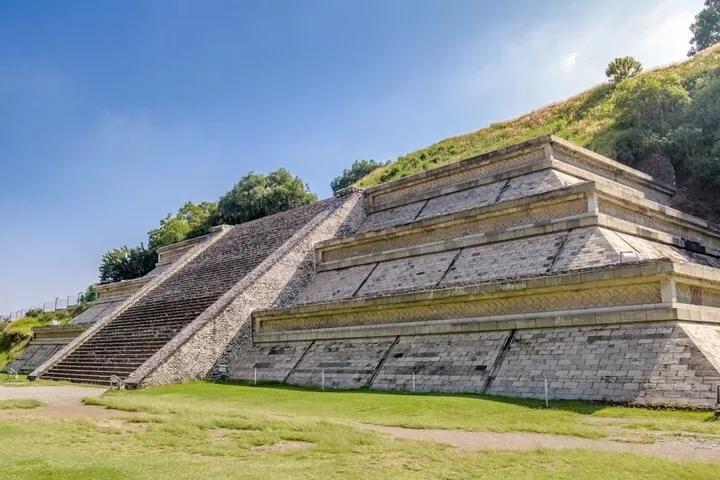
Most people think of Teotihuacan when they think of Mexican pyramids. But the Great Pyramid of Cholula is actually the largest pyramid in the world by volume — bigger than the Great Pyramid of Giza. The catch: it's so ancient and so overgrown that it looks like a natural hill. The Spanish, not knowing what was beneath, built a colonial church right on top of it in the 1600s — creating one of the most surreal monuments in the Americas.
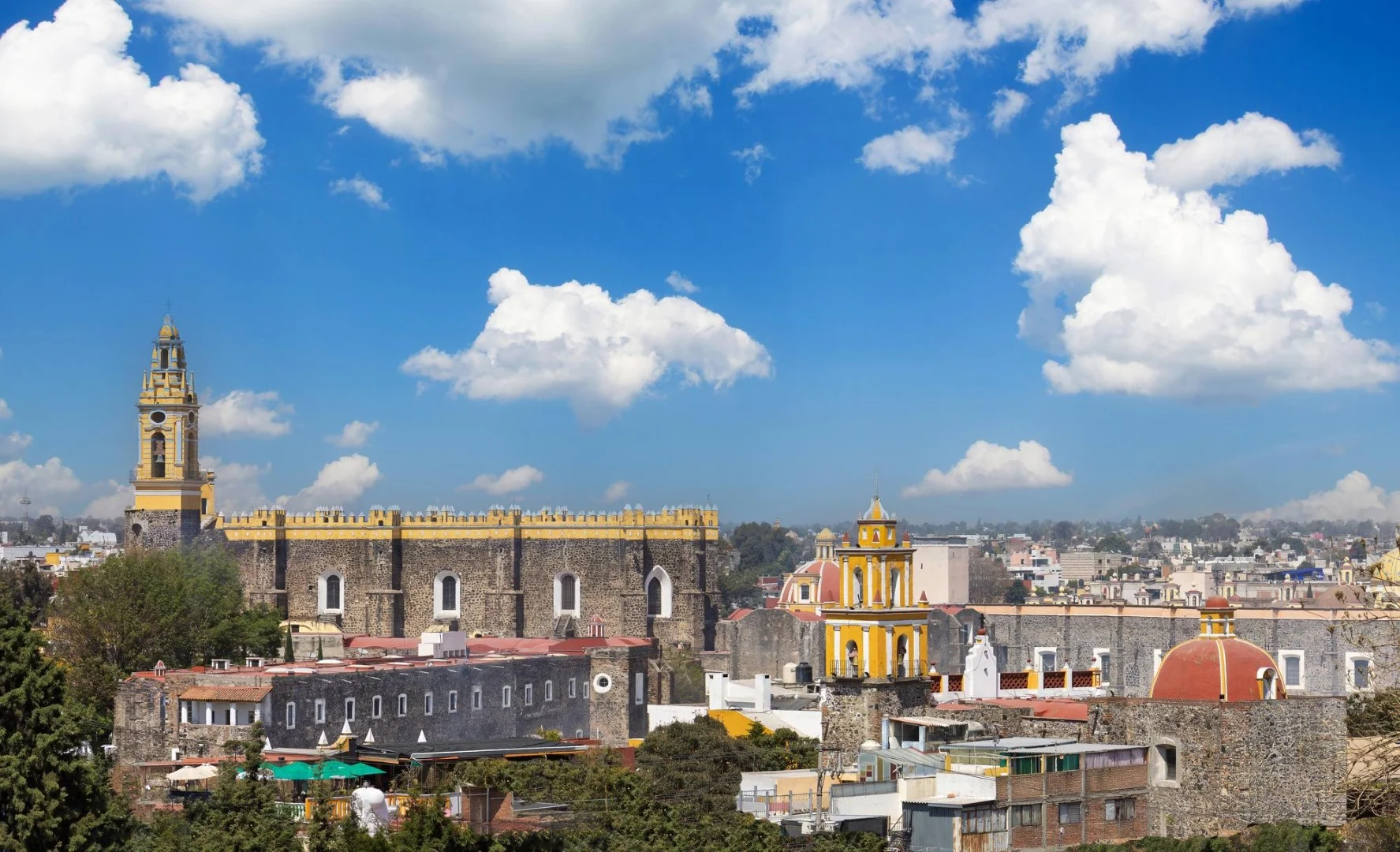
Entry to the archaeological zone is included in your tour. Your guide will walk you through the excavation tunnels that run inside the pyramid, and explain how this sacred site was used by multiple pre-Columbian cultures over 1,000 years before the Spanish arrived. Then you'll climb to the top for a sweeping view of Popocatépetl volcano — and the church that sits above 1,400 years of history.
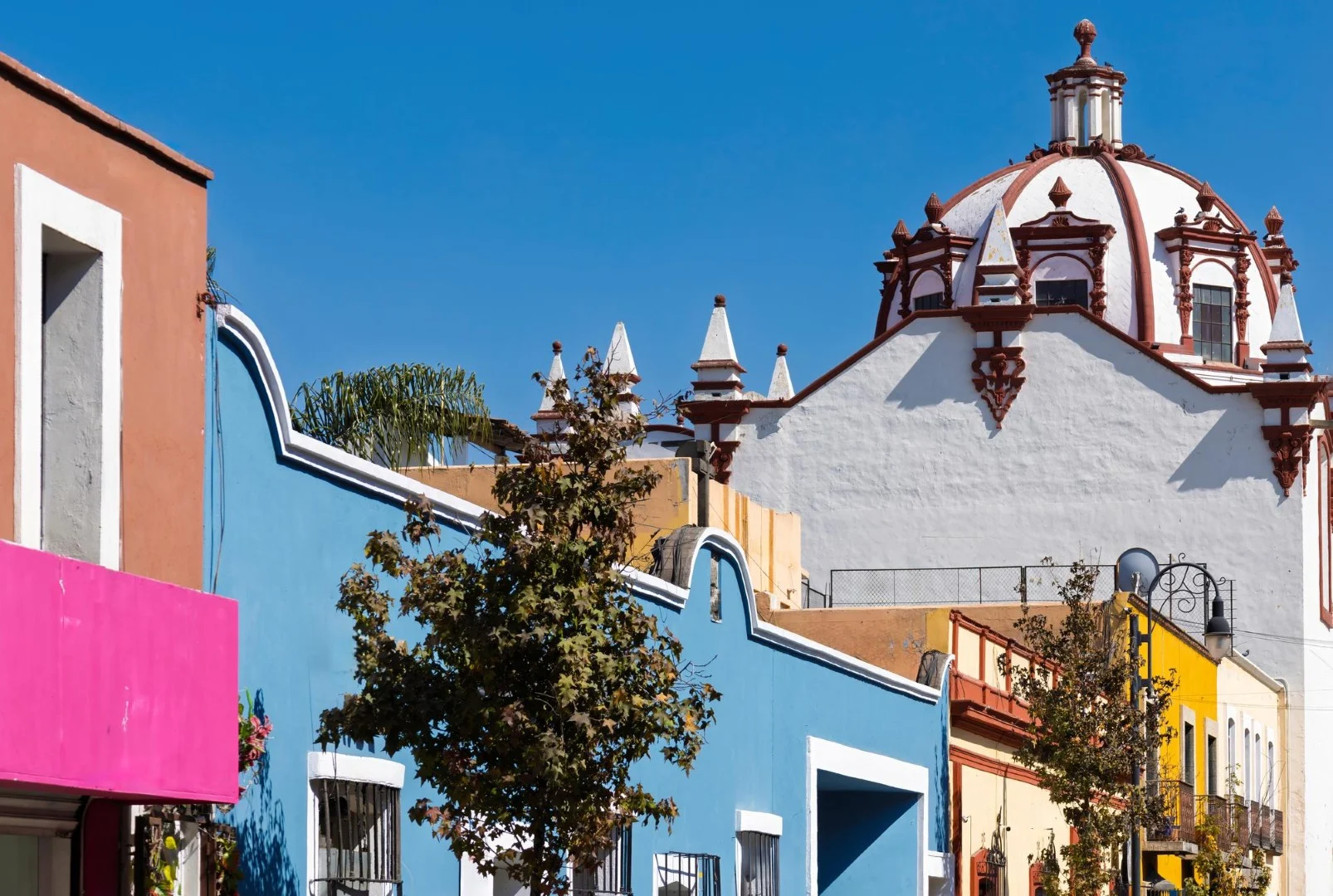
A UNESCO Colonial City That Saved Mexican Cuisine
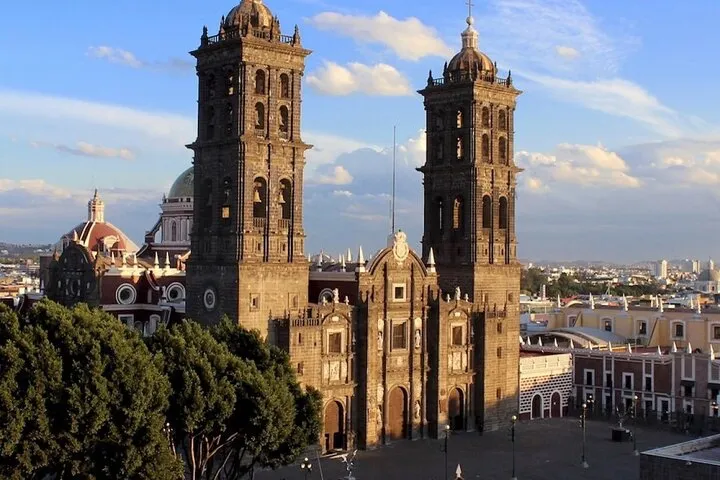
Puebla's historic center has been a UNESCO World Heritage Site since 1987 — and once you walk through it, you'll understand why. The city was founded by the Spanish in 1531 and grew into one of the most important colonial centers in the Americas. Its architecture is unlike anything else in Mexico: baroque cathedral facades, tiled building exteriors, ornate churrigueresque carvings, and courtyards full of azulejo tilework.
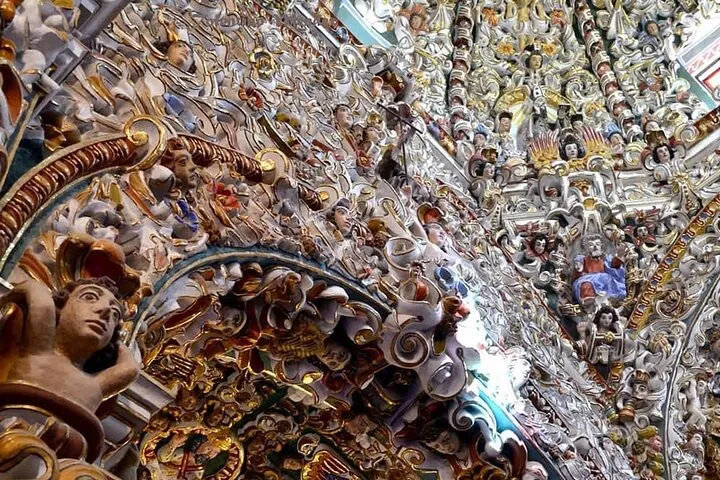
The highlight is the Capilla del Rosario — the Chapel of the Rosary — inside the Santo Domingo church. Built between 1650 and 1690, it's considered one of the great baroque interiors in the world: every surface covered in gilded plasterwork, religious figures, and carved stone. Equally important: Puebla is the birthplace of mole poblano and chiles en nogada. Your guide knows where to find the real thing, not the tourist version. The Talavera workshop visit rounds out the day — a living tradition of hand-painted ceramics that has been designated UNESCO Intangible Cultural Heritage.
A Baroque Church Built by Indigenous Hands — One of Mexico's Best-Kept Secrets
Just outside Cholula, the small village of Tonanzintla hides what many consider the most beautiful small church in Mexico. The Santa María Tonantzintla church looks modest from the outside — but step inside and you're confronted with one of the most spectacular interiors in the Americas. Every centimeter of the walls and ceiling is covered in hand-crafted polychrome plasterwork made by indigenous Nahua artisans in the 17th and 18th centuries.What makes it extraordinary is the visual language: Catholic saints and angels rendered with indigenous faces, features, and clothing. Pre-Columbian symbols woven into baroque decoration.
It's a collision of two worlds, frozen in stucco — and one of the clearest expressions of what Mexican culture actually is. Most visitors to Puebla skip it entirely. Yours is a Y&D tour.
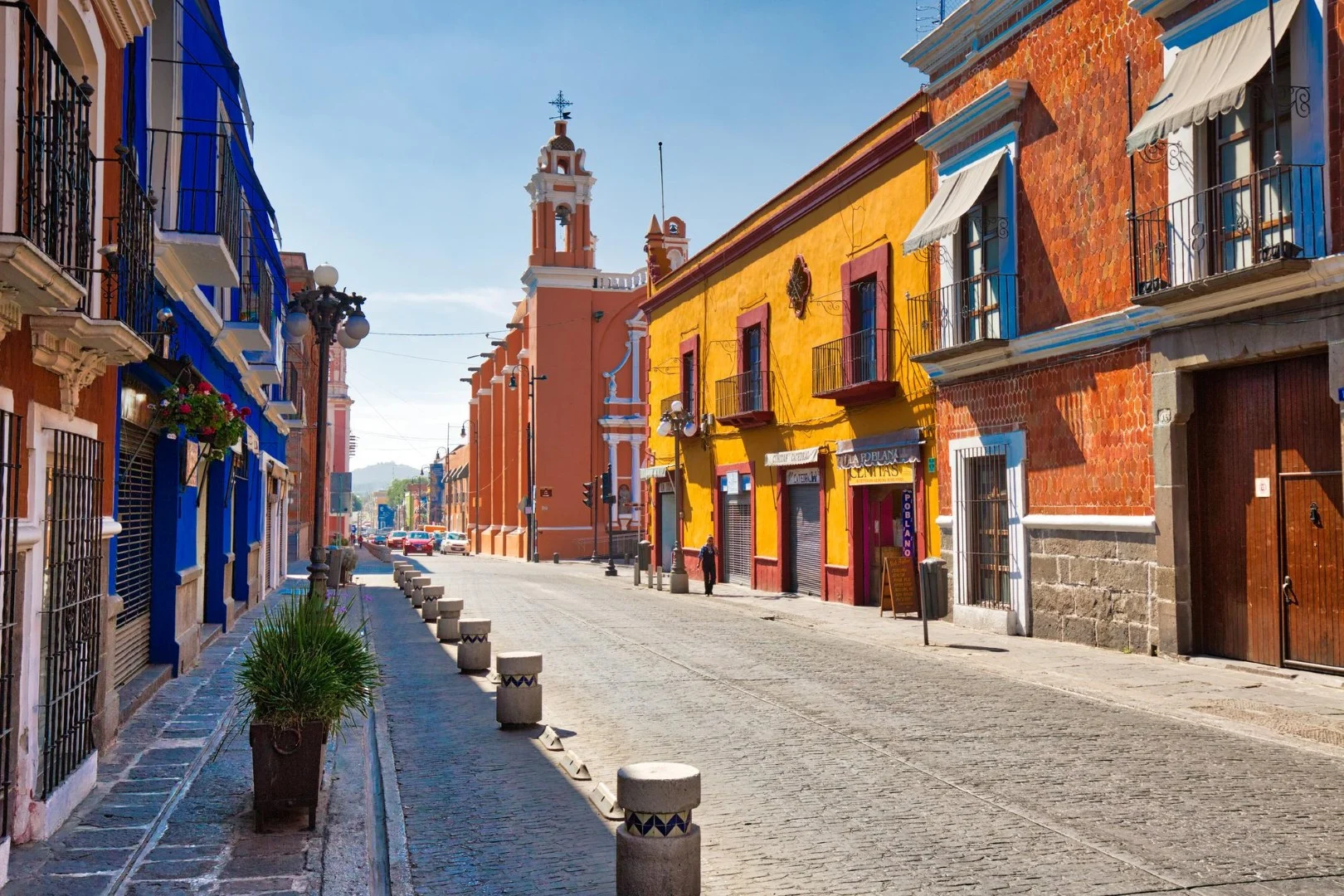
One Day. Three Cities. Zero Regrets.
11 Hours. Two UNESCO Sites. The World's Largest Pyramid. A Chapel Covered in Gold.